Agent Zero v2.14: Faster Startup, Stable Prompt Caching, & Smoother Chats
v2.14 speeds up startup, chat switching, and Browser tools, preserves long-conversation prompt caches, and improves presets, delegation, OAuth, and plugins.
Articles, guides, research, and practical insights from Agent Zero.
v2.14 speeds up startup, chat switching, and Browser tools, preserves long-conversation prompt caches, and improves presets, delegation, OAuth, and plugins.
v2.13 redesigns file navigation, adds project folders and messaging slash commands, streams native commentary, and speeds up settings, model, tool, and Codex paths.
v2.12 hardens Connector and file transfers, unifies Files and Editor, preserves native Responses tool calls, improves prompts and providers, and fixes security issues across messaging plugins.
v2.11 adds Context Doctor, vision sidecars and a context usage indicator, makes streaming and WebUI synchronization faster, improves memory and embeddings, and defaults LiteLLM providers to Chat Completions.
v2.10 introduces an interactive shared Browser runtime, durable subordinate lifecycles, scoped composer context and drafts, Responses streaming fixes, and a built-in ACP bridge.
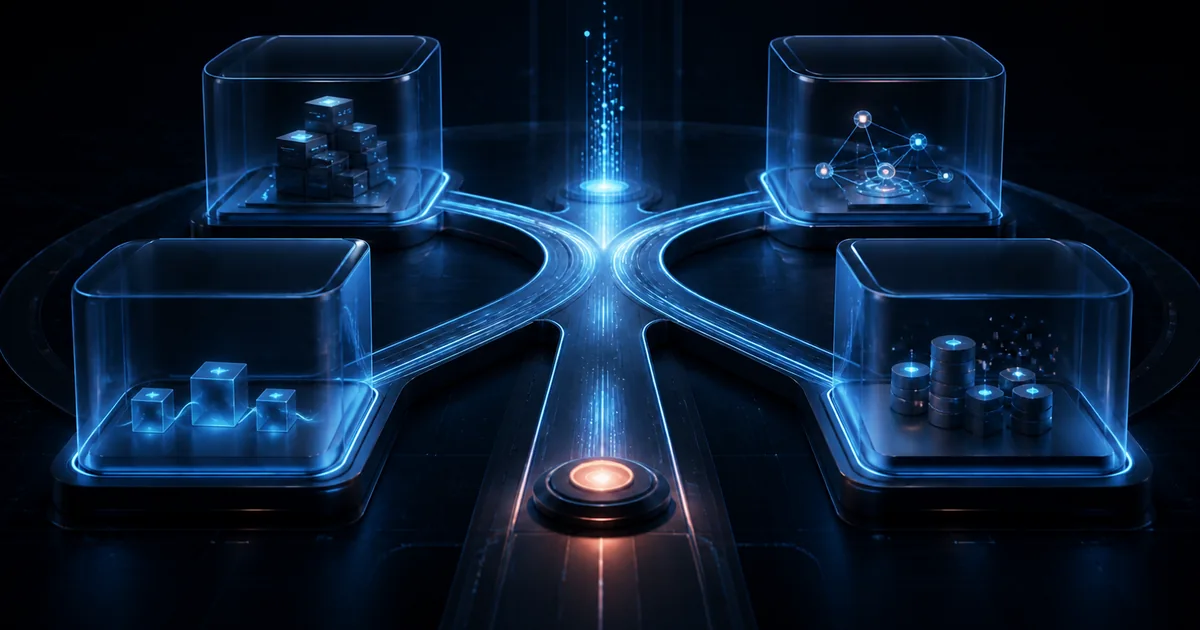
Agent Zero's third major iteration is moving agent-run code and heavyweight tools into isolated, disposable gVisor sandboxes.
v2.9 introduces the Agent Editor, project-scoped profiles and tool policies, safer profile lifecycles, Time Travel retention, built-in plugin upgrades, and important security and reliability fixes.
Jan Tomášek previews Spynel, a new orchestration layer that turns established AI coding harnesses into one durable, review-driven workflow from desk or phone.
v2.8 adds live stop controls, faster cached WebUI loading, extension manifests, chat naming and pinning plugins, lazy message rendering, and stronger native Responses handling.
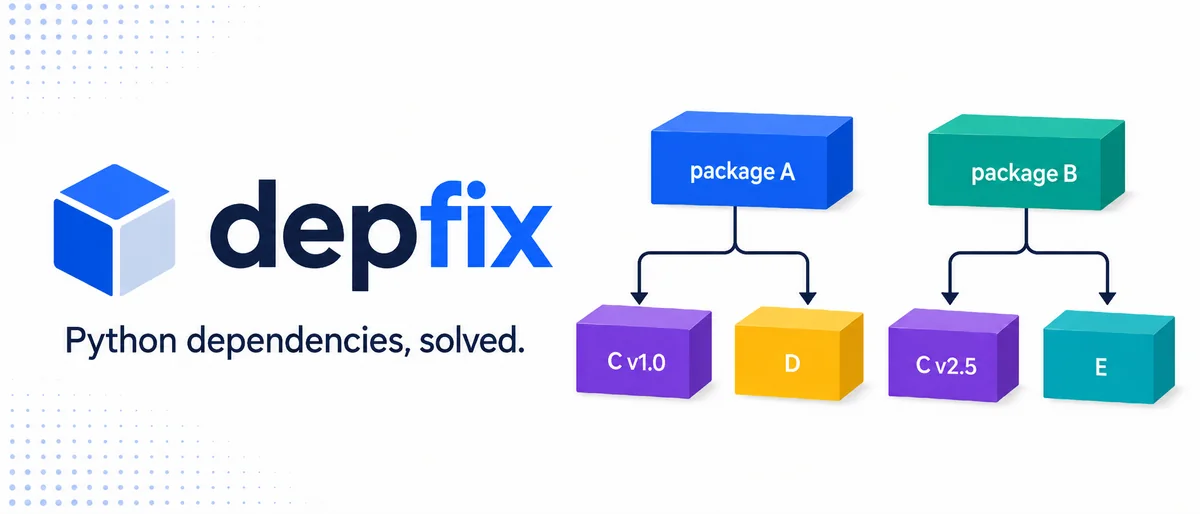
Depfix lets ordinary Python imports pin versions, run conflicting packages side by side, and install on demand—without another virtualenv fight.
v2.7 makes response handling more dependable, adds Cerebras and project-scoped Browser proxies, verifies remote Linux computer-use targets, and fixes prompt, parallel-call, and Codex OAuth behavior.
v2.6 consolidates goals, keeps compacted chats resumable and secret-safe, makes shell and task lifecycles more dependable, and hardens Browser, connector, response, extension, and WebUI behavior.